Orthodontics in Lexington SC: Trusted Orthodontic Care
The Importance of Choosing the Right Orthodontist for Your Smile Journey
Selecting the right orthodontist is a critical decision in attaining an perfect smile. This decision impacts not only the effectiveness of the treatment but also the complete experience. A knowledgeable orthodontist recognizes individual needs and adapts plans suitably. Moreover, their ability to convey information clearly can significantly improve patient comfort. As the journey unfolds, the effect of this choice becomes ever more evident, raising questions about what qualities truly count in an orthodontic expert.
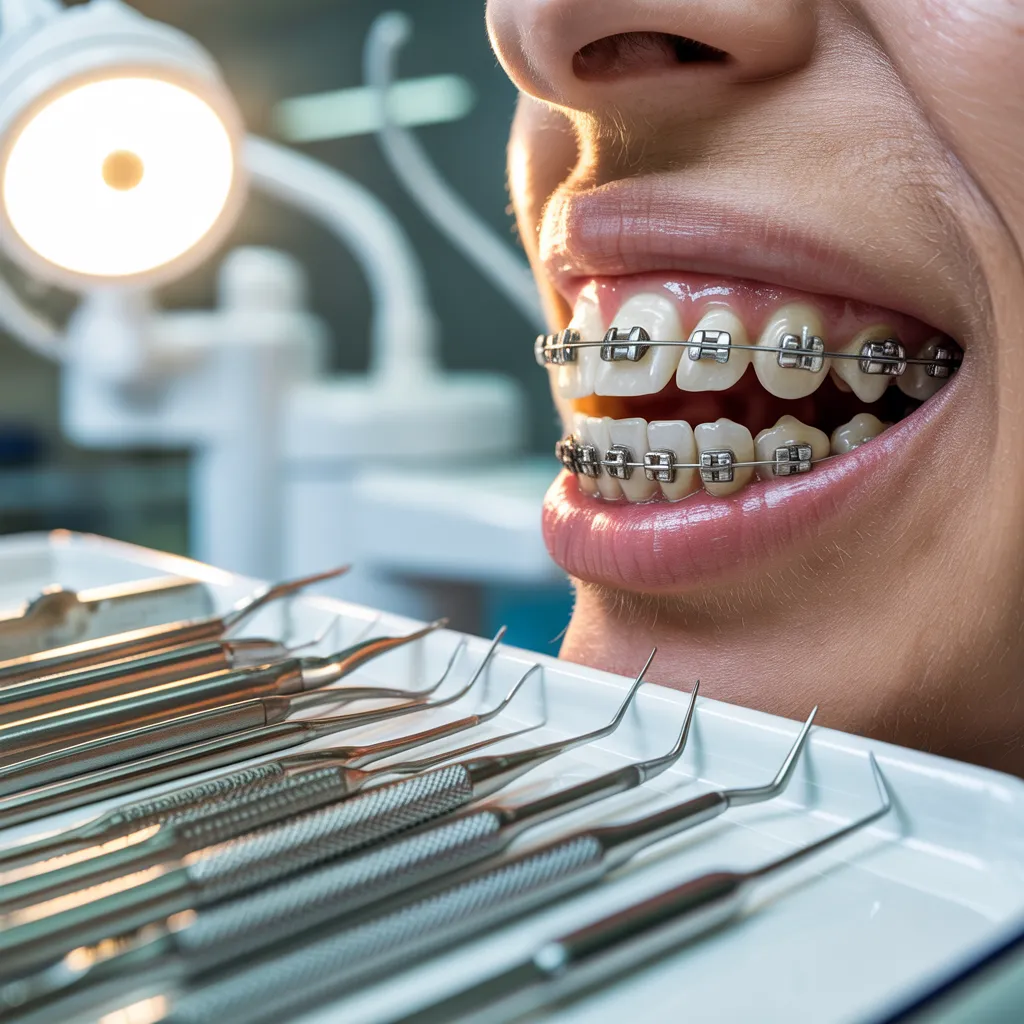
Why Picking the Right Orthodontist Makes a Difference for Your Smile
Choosing the right orthodontist is crucial, as a qualified professional can significantly influence the result of one's smile. The path to attaining a perfect smile requires not only professional knowledge but also a profound understanding of individual needs. An seasoned orthodontist employs tailored treatment plans, making certain that each patient benefits from individualized care based on their distinctive dental structure.
Furthermore, the selection of orthodontist affects not only the efficacy of the treatment but related content also the complete experience. A communicative and supportive orthodontist fosters a reassuring environment, permitting patients to ask questions and express concerns throughout the process.

Furthermore, the best orthodontist keeps up with the latest breakthroughs in orthodontic technology and techniques, which can enable more successful and streamlined treatments. Ultimately, selecting a competent orthodontist is a significant step toward reaching a stunning, healthy smile that can build self-assurance and improve quality of life.
Key Qualities to Look for in Your Orthodontist
A successful orthodontic experience hinges on recognizing essential qualities in a qualified orthodontist. First, a strong educational background and relevant certifications are essential, ensuring the orthodontist is well-trained and knowledgeable about the latest techniques. Next, effective communication skills are vital; the orthodontist should be able to explain treatment options clearly and address any patient concerns.
Furthermore, a compassionate and patient-centered approach can significantly improve the treatment experience. An orthodontist who listens to their patients cultivates confidence and ease throughout the treatment process. Additionally, a friendly and efficiently structured practice environment reflects professionalism and respect for patients' time.
Additionally, evaluate the availability of advanced technology and treatment options. An orthodontist who adopts modern advancements is positioned to deliver higher quality and streamlined treatment. By prioritizing these qualities, individuals can arrive at well-considered decisions, ultimately leading to a truly fulfilling orthodontic process.
How Expertise and Specialization Affect Orthodontic Results
Expertise and specialization are fundamental elements in determining orthodontic outcomes. An orthodontist with a wealth of experience is more likely to navigate complex cases effectively, minimizing complications and improving results. Their familiarity with various techniques and technologies facilitates a personalized approach designed around each patient's specific requirements.
Focusing on orthodontics as a specialty further enhances the quality of treatment. Orthodontists who concentrate entirely on this discipline stay updated with the latest advancements, making certain they apply the most proven techniques. This expertise can lead to more accurate diagnoses and personalized treatment approaches that improve both form and function.
In addition, a skilled orthodontist can swiftly spot potential issues during treatment, implementing timely corrections that can greatly influence the final outcome. In the end, choosing an orthodontist with a proven track record and specialization is critical for achieving a radiant and healthy smile, as their expertise and knowledge directly shape the overall effectiveness of care.
Selecting Your Orthodontic Treatment
What elements are important to evaluate when selecting an orthodontic treatment? Initially, the type of dental misalignment serves as a significant consideration. A range of alternatives, such as conventional metal braces, ceramic braces, and transparent aligners, address a variety of needs and preferences. The complexity of the case also impacts the selection of treatment; more complex orthodontic cases may call for specialized techniques. Next, the overall treatment timeline is a key consideration. Individuals frequently prefer a schedule that fits individual obligations or cosmetic preferences.
Price remains one more important element, as orthodontic treatments can vary greatly in expense. Insurance benefits may also be a factor in decision-making. Furthermore, individual personal preferences, including dietary restrictions and maintenance routines, should be considered. Ultimately, speaking with an orthodontist can deliver useful information into the most effective and suitable treatment choices based on a patient's individual dental needs. This detailed review ensures that individuals begin a productive orthodontic treatment process.
The Importance of Comfort and Communication in Your Orthodontic Journey
As patients embark on an orthodontic journey, comfort and communication emerge as essential factors that profoundly affect the overall experience. A patient's ease in the orthodontic environment can notably shape their inclination to follow through with treatment. An inviting atmosphere, along with a empathetic dental team, fosters relaxation and trust, ensuring appointments feel less daunting.
Effective communication is equally crucial. An orthodontist who actively listens to patient concerns and clearly explains procedures guarantees that individuals feel valued and understood. This openness works to reduce anxiety and fosters a cooperative dynamic, where patients are more inclined to follow their treatment plans.
Additionally, a healthy connection between the orthodontist and patient can contribute to superior outcomes. When patients are at ease communicating their concerns and desires, orthodontists can adapt their treatment approach to meet specific needs. Ultimately, focusing on open communication and patient comfort sets the stage for a positive orthodontic process, elevating both outcomes and overall satisfaction.
What to Expect During Your First Consultation With an Orthodontist?
Within the opening consultation with an orthodontist, patients can expect a thorough examination of their dental health and alignment. This initial visit generally includes a detailed evaluation of the facial structure, teeth, and jaw alignment. The orthodontist will often capture X-rays, photographs, and dental impressions to assess the patient's unique dental situation.
Following the assessment, the orthodontist will review possible treatment plans tailored to the unique needs of the individual. This includes an explanation of the various types of orthodontic appliances on offer and the estimated duration of the treatment process. Patients are encouraged to ask questions and share any concerns they may have about the treatment process.
Additionally, this appointment serves as an occasion to assess the comfort level with the orthodontist and the office environment, which is essential for building a strong rapport throughout the treatment journey. In summary, the initial consultation is an important step in reaching a more beautiful, healthier smile.
Frequently Asked Questions
How Long Does Orthodontic Treatment Take?
Orthodontic treatment timelines commonly range from half a year to two years, influenced by personal requirements, case complexity, and the orthodontic appliances chosen. Scheduling consistent appointments with the orthodontist can help establish a more accurate treatment schedule.
What Are the Fees Related to Different Treatment Choices?
Costs associated with different orthodontic treatment options vary considerably, usually spanning from $3,000 to $8,000. The elements that affect these expenses encompass the treatment type, length, and personal orthodontic requirements, affecting overall budget considerations for patients.
Are There Age Limits for Starting Orthodontic Treatment?
In most cases, there are no firm age requirements for initiating orthodontic treatment. Patients of all ages can benefit, though early evaluations often lead to more effective interventions, supporting superior dental health and proper alignment over time.
Will I Need to Wear a Retainer After Treatment?
Indeed, using a retainer after orthodontic care is very important. It works to maintain teeth positioning and prevents them from shifting back. Consistent retainer wear greatly contributes to long-term results and a beautiful, stable smile.
How Should I Care for My Oral Hygiene While Undergoing Orthodontic Treatment?
To maintain oral hygiene during orthodontic treatment, patients should brush their teeth after each meal, use fluoride toothpaste, floss regularly, and look into using an orthodontic toothbrush. Furthermore, regular dental check-ups are essential for monitoring oral health throughout the process.